The Fiddle and the Scottish Soul
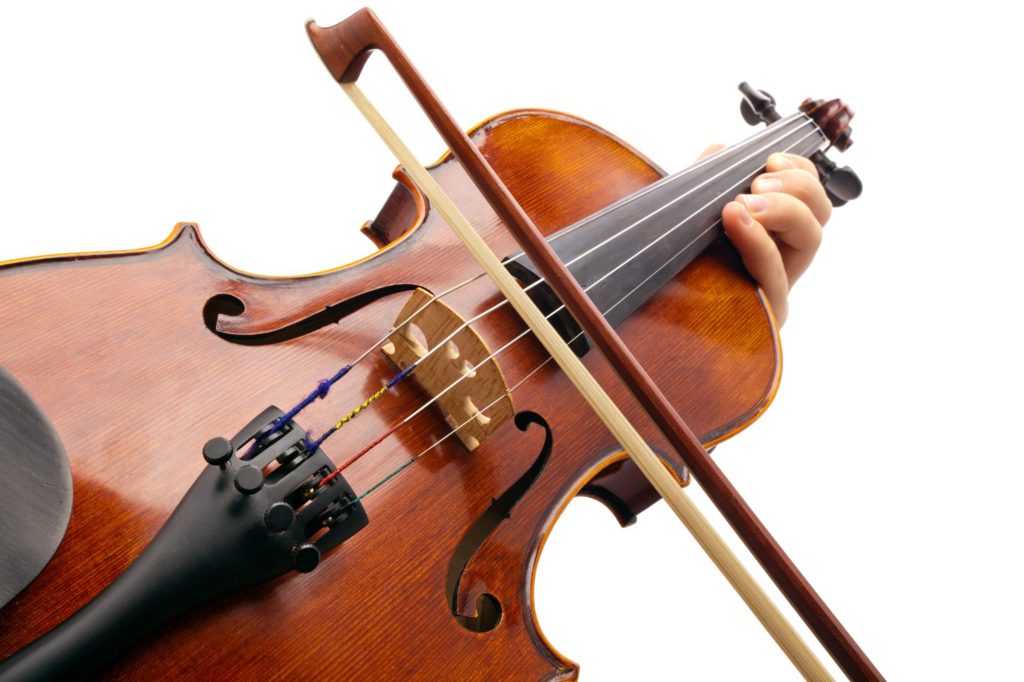
Ask a Scot what instrument defines their musical tradition and you might expect to hear “bagpipes.” But in the kitchen, the ceilidh hall, and the informal session, the fiddle is just as likely to be the answer. Scottish fiddling is immediate, energetic, and deeply tied to place. No two regional styles sound quite alike, and that variety is part of what makes it so alive.
A Long History
The fiddle appears in Scottish historical records as far back as 1497, making it one of the longest-documented instruments in Scottish musical life. The titles of traditional fiddle tunes read like a history of the country itself: place names, clan names, battles, and the names of the people who lived through them. Playing a tune called “The Battle of Sheriffmuir” or “Loch Rannoch” is a small act of historical preservation.
The 18th century was a golden age for Scottish fiddle composition. Niel Gow, born in Perthshire in 1727, is considered the greatest Scottish fiddler of his era and composed hundreds of tunes still played today. His son Nathaniel continued the tradition. The Gow collection remains a cornerstone of the repertoire.
Regional Styles
One of the most distinctive features of Scottish fiddling is how strongly it varies by region. Shetland fiddling has Norse influences that give it a haunting, driving quality unlike anything on the mainland. Strathspey style, from the Highlands, features a characteristic snapped rhythm called the Scotch snap. Borders fiddling is smoother and more song-like. Each region developed its own repertoire, its own ornamentation, and its own sense of what the fiddle should do.
The Fiddle at Highland Games and Ceilidhs
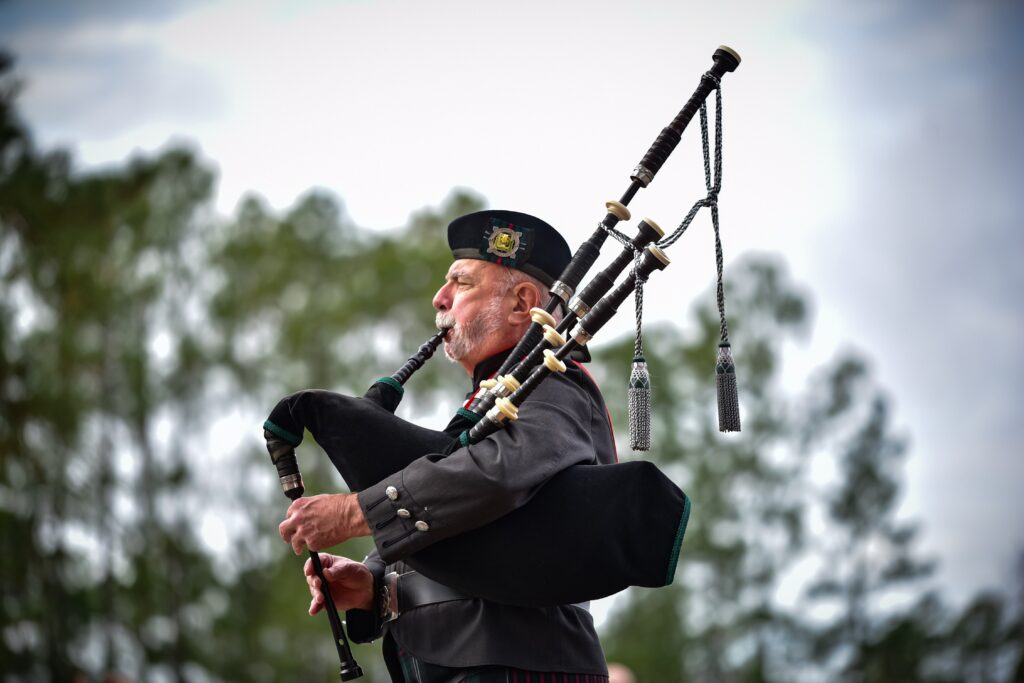
Today, Scottish fiddling is thriving. Highland Games often feature fiddle competitions alongside the piping and drumming events. Ceilidh bands, which play for traditional Scottish country dancing, almost always feature fiddle as the lead instrument. Artists like Aly Bain, Natalie MacMaster, and the groups Blazin’ Fiddles and Bothy Band have brought the tradition to international audiences.
For CMAA members, the fiddle is a thread connecting the clan tent at a Highland Games to the islands of Barra and Colonsay. It is the sound of a ceilidh at the AGM and the music that plays in the background when someone first finds their way to their Scottish roots.