Dance as a Scottish Art Form
Highland dancing is one of those Scottish traditions that surprises people the first time they really watch it. From a distance it looks festive and energetic. Up close, it is something else entirely: technically demanding, physically rigorous, and rooted in a history that goes back centuries. Scotland takes its dance seriously, and for good reason.
What Is Highland Dance?
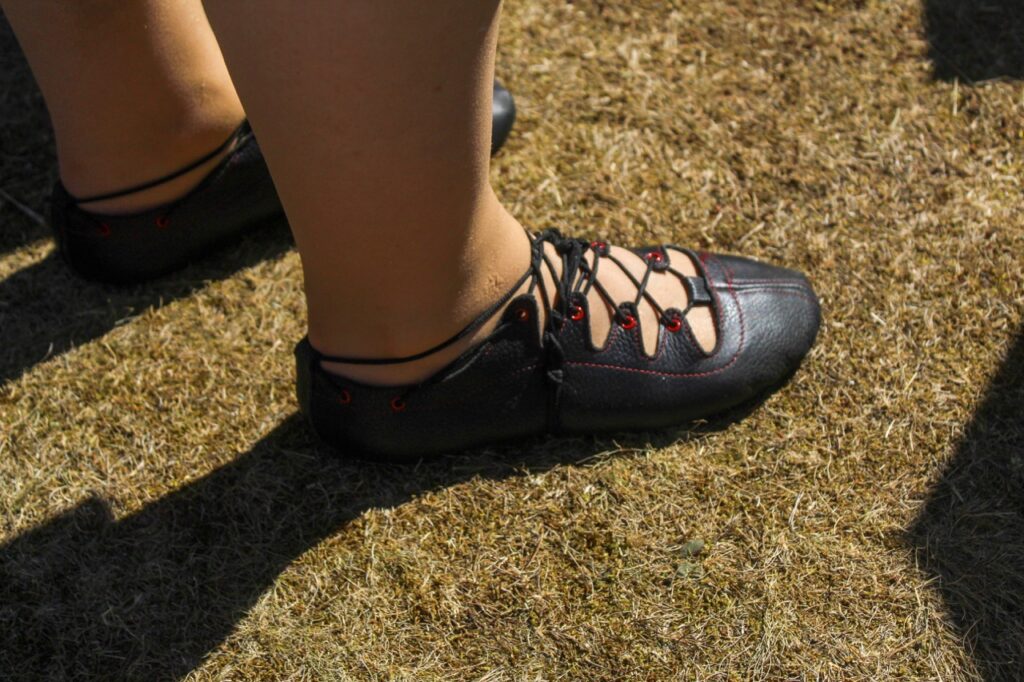
Known in Scottish Gaelic as dannsa Gaidhealach, Highland dancing is a competitive and technical solo dance tradition. It combines elements of Gaelic folk dance with the vocabulary of classical ballet, creating a form that requires strength, precision, stamina, and years of training to perform well. Dancers perform on the balls of their feet, arms raised, with a vertical posture that is immediately recognizable.
Highland Dance is officially recognized as a sport by the Sport Council of Scotland. That designation is not honorary. Competitive Highland dancers train with the same dedication as athletes in any other discipline, and the physical demands of a full competition day are considerable.
The Dances and Their Origins
The four traditional Highland dances each carry their own history and character.
The Highland Fling is the oldest and most recognized. Tradition holds that it originated as a solo victory dance performed on a targe, the small round shield used by Highland warriors, after battle. Whether or not that story is literally true, the dance captures something of that spirit: controlled, powerful, and performed entirely in one spot.
The Sword Dance, or Gillie Callum, is performed over two crossed swords laid on the ground. The tradition holds that a warrior who danced over enemy swords before battle without touching them would be victorious. Touching the swords was considered a bad omen. Today it is a test of footwork and precision rather than military divination, but the dramatic tension remains.
The Sean Triubhas, which translates roughly as “old trousers,” has its roots in the aftermath of the Jacobite Rising of 1745. The Dress Act of 1746 banned Highland dress including the kilt, and the dance is said to represent the slow, reluctant donning of trousers and the eventual joyful return to the kilt when the ban was lifted in 1782. The dance moves from slow and constrained in its early figures to fast and celebratory in its conclusion.
The Strathspey and Highland Reel is a travelling dance, unlike the others, performed by groups of three or four dancers moving through figures while maintaining individual technique throughout.
Highland Dance at the Games
Highland Games competitions are where most North Americans first encounter Highland dancing at a serious level. Dancing competitions run throughout the day alongside the athletic events, with dancers competing in age and experience categories from young children through adult professionals. The standard at major games is remarkably high.
For CMAA members attending games, the dancing competition is worth stopping to watch properly. Find a seat near the dancing platform early in the day and you will see something worth remembering.